
Bridging Healthcare Disparities: How Remote Patient Monitoring Enhances Health Equity
Health equity is a fundamental principle of healthcare — ensuring that everyone, regardless of their background, has the opportunity to live a healthy life. Yet, disparities in healthcare persist, disproportionately affecting vulnerable populations. In recent years, remote patient monitoring (RPM) has emerged as a powerful tool in healthcare, revolutionizing the way patients receive care and paving the way for greater health equity. By leveraging technology to monitor patients' health status remotely, regardless of their geographical location or socioeconomic status, RPM has the potential to bridge gaps in access to healthcare services and improve outcomes for underserved populations.
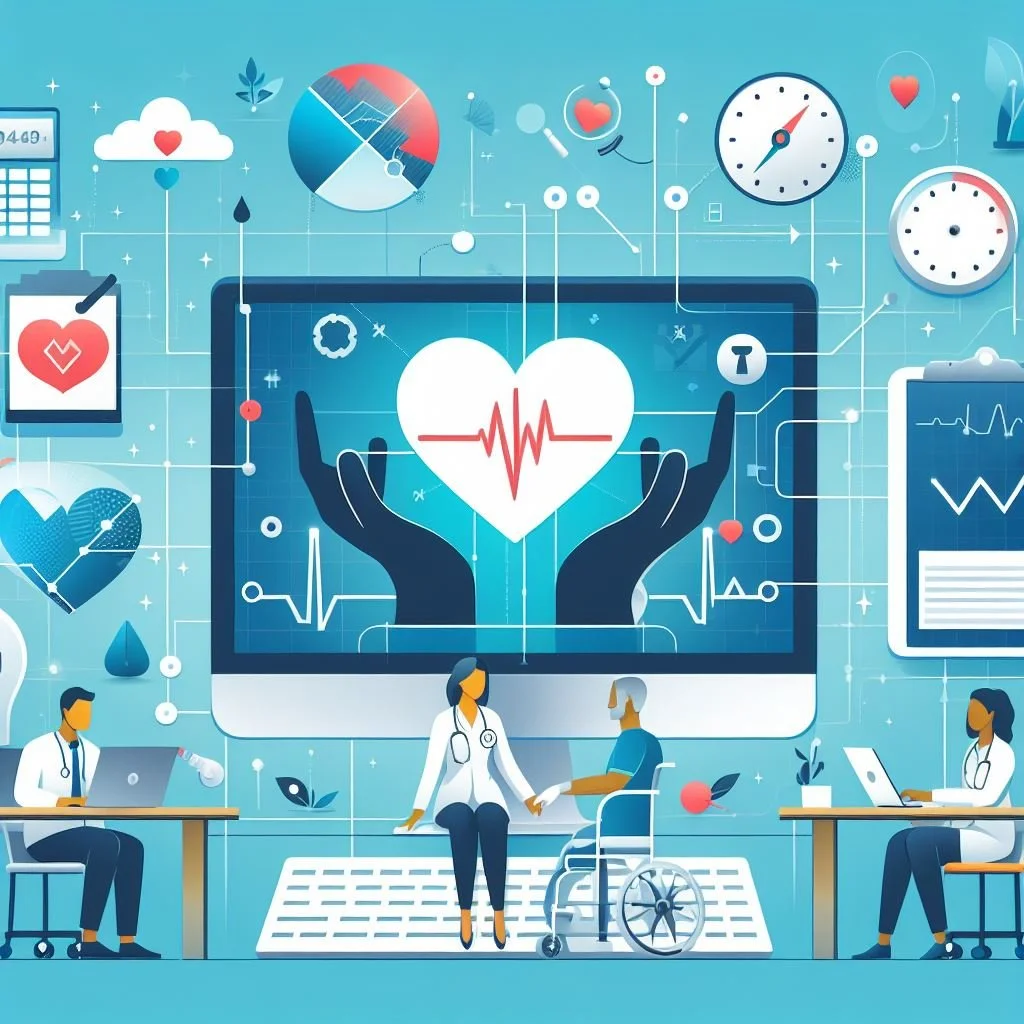
In this blog post, we'll explore how RPM is accelerating health equity and transforming the landscape of healthcare delivery.
Breaking Down Barriers to Access:
RPM eliminates many of the barriers that traditionally hinder access to healthcare services, particularly for individuals in rural or underserved communities. By enabling patients to receive real-time monitoring and support from healthcare providers without the need for in-person visits, RPM ensures that no one is left behind when it comes to accessing quality care. Whether it's monitoring chronic conditions, managing postoperative care, or providing mental health support, RPM brings healthcare directly to the patient's doorstep, regardless of their location.
Empowering Patients to Take Control of Their Health:
One of the key benefits of RPM is its ability to empower patients to actively participate in their own healthcare journey. Through continuous monitoring of vital signs, symptoms, and medication adherence, patients gain greater insight into their health status and can make informed decisions about their care. This proactive approach not only leads to better health outcomes but also promotes patient engagement and self-management, particularly among populations that may face barriers to accessing traditional healthcare services.
Reducing Health Disparities:
Health disparities persist across various demographic groups, including racial and ethnic minorities, low-income individuals, and those living in rural areas. RPM has the potential to address these disparities by providing timely and equitable access to healthcare services. By remotely monitoring patients' health status and intervening early to prevent complications, RPM helps to reduce disparities in disease management, improve access to preventive care, and ultimately narrow the gap in health outcomes between different population groups.
Enhancing Care Coordination and Collaboration:
RPM facilitates seamless communication and collaboration among healthcare providers, enabling them to deliver coordinated, patient-centered care. Through remote monitoring platforms, primary care physicians, specialists, nurses, and other members of the care team can easily share patient data, collaborate on treatment plans, and provide timely interventions. This integrated approach to care ensures that patients receive comprehensive support across the continuum of care, regardless of where they are located or which healthcare provider they are seeing.
Driving Innovation and Quality Improvement:
As RPM continues to evolve, it holds promise for driving innovation and quality improvement in healthcare delivery. By harnessing the power of data analytics, artificial intelligence, and predictive modeling, RPM platforms can identify trends, predict adverse events, and personalize interventions to meet the unique needs of each patient. This data-driven approach not only improves the efficiency and effectiveness of care delivery but also enables healthcare providers to continuously learn and adapt to evolving patient needs.
Conclusion:
Remote patient monitoring represents a transformative shift in healthcare delivery, offering a pathway to greater health equity and improved outcomes for all patients. By breaking down barriers to access, empowering patients and clinicians, reducing disparities, enhancing care coordination, and driving innovation, mobriseHealth, an innovative RPM/CCM platform is revolutionizing the way we deliver and experience healthcare.