
How RPM can help Rural Health centers
Introduction to Remote Patient Monitoring (RPM)
Remote Patient Monitoring (RPM) is all about using technology to keep an eye on patients' health without them having to be physically present at a health center. This is a big deal for rural health centers, where patients might have to travel far to see a doctor. RPM can include things like wearing a device that tracks your heart rate or using an app on your phone to record your blood sugar levels. These devices then send the info directly to health professionals, making it easier to catch any warning signs early. It's not just convenient; it can be a lifesaver. RPM allows patients in remote areas to get the care they need without the hassle of travel. It's about making healthcare accessible to everyone, no matter where they live.
The current state of Rural Health centers
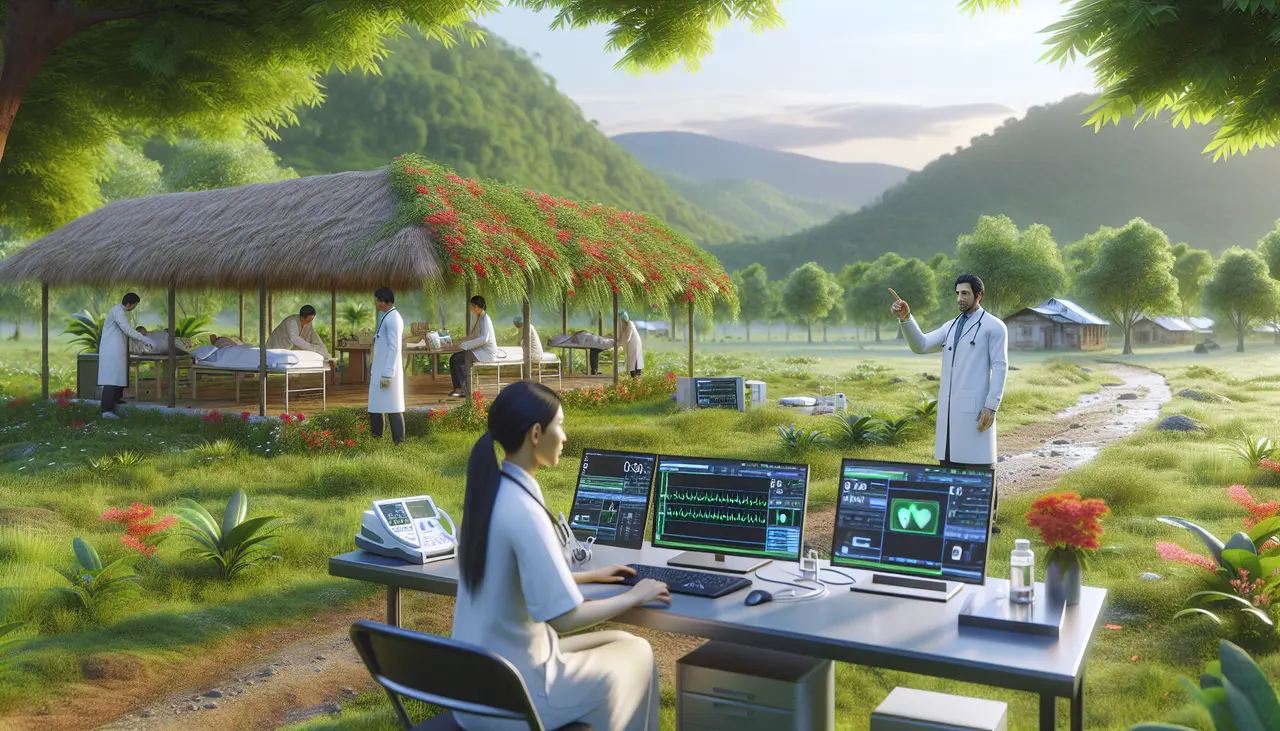
Rural Health centers often wrestle with unique challenges compared to urban healthcare setups. They deal with limited access to specialists, fewer resources, and sometimes a scarcity of doctors. Moreover, these centers can be miles away from a major hospital. This means folks living in rural areas might not get the urgent care they need quickly enough. It's not all doom and gloom, though. Advances in Remote Patient Monitoring (RPM) technology offer a shimmer of hope. If tapped effectively, RPM can bridge the gap by allowing continuous patient monitoring without needing the patient to be physically present in a healthcare facility. The use of RPM can lead to early detection of potential health issues, better management of chronic diseases, and overall improved access to healthcare services for the rural population. Despite these promising possibilities, the reality remains that there's a gap to be filled, and technological adoption is key to steering rural health centers towards better healthcare outcomes.
Benefits of implementing RPM in Rural Health settings
Remote Patient Monitoring (RPM) stands as a game-changer for rural health centers, breaking down barriers to health care access like distance and limited medical staff. By using technology to track patients' health data in real-time, RPM enables doctors to monitor patients from afar, ensuring those living in remote areas receive timely and effective care. This approach not only makes health management convenient for patients but also helps in early detection of potential health issues, avoiding emergency situations. With RPM, rural health centers can provide continuous care, leading to better health outcomes and patient satisfaction. Plus, it reduces the need for frequent travel to health facilities, saving both time and resources for patients and providers alike. Implementing RPM is a smart move towards leveling the playing field in healthcare access and quality between rural and urban communities.
How RPM addresses common challenges in rural healthcare
Rural health centers face tough challenges, like few doctors, long travel times for patients, and tight budgets. Remote Patient Monitoring (RPM) steps in as a game-changer. Firstly, RPM lets doctors monitor patients from afar. This means folks don’t have to travel miles for a check-up, saving time and travel costs. Secondly, by keeping an eye on patients remotely, doctors can catch problems early. This can prevent small issues from turning big, avoiding costly hospital visits.
RPM also tackles the doctor shortage. With it, healthcare workers can look after more patients without the need to physically meet each one. This efficiency boosts the care quality without needing more hands on deck. Plus, it brings down the strain on healthcare workers, who are often stretched thin in rural areas.
Lastly, RPM supports tight budgets. By reducing the need for in-person visits and emergency care, health centers can save money. This saved cash can go into improving healthcare services or to adopt more tech solutions to enhance patient care.
In short, RPM is like a Swiss Army knife for rural healthcare – it fixes a lot of problems at once.
The impact of RPM on patient outcomes in rural areas
RPM, short for Remote Patient Monitoring, changes the game for rural health centers. It's like having a doctor right there, but virtually. Centers using RPM see patients managing chronic conditions better, like diabetes or heart disease. How? Patients are more in tune with their health because they're tracking it day-to-day with devices that send info straight to their doctor. This means any health dips get caught quickly, leading to faster action. The result? Hospital visits drop, and when patients do need to come in, their stay is shorter. Plus, patients feel empowered knowing they're on top of their health, boosting satisfaction scores. Simply put, RPM makes healthcare proactive, not reactive in rural areas.
Overcoming barriers to RPM adoption in rural communities
Getting remote patient monitoring (RPM) off the ground in rural places faces some tough roadblocks. For starters, many folks in these areas might not have easy access to the internet or the latest gadgets. They might be wary of new tech, unsure if it's worth the hassle. Then there's the cost. Setting up RPM technologies can be pricey, not just for buying the gear but for training staff and keeping the system running smoothly. Plus, rural health centers often run on tight budgets, making this leap even harder. Despite these challenges, overcoming them is critical. It means finding affordable, user-friendly tech solutions, getting creative with funding, and running hands-on workshops to show everyone from doctors to patients how RPM can make a difference. This effort can bridge the gap, ensuring rural folks aren't left behind in the healthcare race.
Success stories: RPM transforming Rural Health centers
RPM, or Remote Patient Monitoring, is changing the game for rural health centers, breaking down barriers to healthcare access one success story at a time. Take the example of a community in Wyoming, where patients faced a three-hour drive to the nearest hospital. With RPM, they now have their vital signs monitored from the comfort of their homes, dramatically reducing the need for frequent, costly, and time-consuming trips. In Georgia, a rural health center introduced RPM for patients with diabetes and saw hospital readmissions drop by 20%. These stories are not isolated. Across the country, rural health centers are using RPM to monitor chronic conditions, ensure timely interventions, and offer unprecedented access to specialist care. This innovative approach is not just improving health outcomes but also building stronger, healthier communities.
Conclusion: The future of rural healthcare with RPM
RPM is revolutionizing rural healthcare. This tech brings doctors and patients closer, without the need for long trips to the clinic. It's all about getting care where and when it's needed, breaking down barriers that distance and isolation create. With RPM, chronic conditions like diabetes or heart disease can be managed better. Patients get to live their normal lives with fewer disruptions, and healthcare providers can catch problems early, thanks to real-time data. This isn't just the future; it's happening now, making healthcare more accessible and efficient for rural communities. As technology improves, expect RPM to become a cornerstone of rural healthcare, transforming lives by delivering care right where it's needed most. mobriseHealth, a leader in RPM technologies is paving the way for next generation of RPM technologies focused on Rural Health.