The Future of Chronic Condition Management: Innovations in Care Plan Management
Introduction to the Future of Chronic Condition Management
Chronic conditions like diabetes, heart disease, and arthritis demand ongoing care. In the past, managing these conditions often meant juggling countless doctor's appointments, medications, and treatments—all with mixed results. However, the future looks bright. Thanks to technology and a deeper understanding of these diseases, managing chronic conditions is getting a lot easier and more effective. New tools are making it possible to monitor health in real-time, predict issues before they become serious, and customize treatments to the individual. This shift means that people with chronic conditions can look forward to better health outcomes, fewer hospital visits, and more control over their health than ever before. So, let's dive into how the future of chronic condition management is shaping up to reshape lives.
Understanding Chronic Conditions and Their Impact
Chronic conditions are long-lasting health issues that don't just disappear and can't be cured overnight. Think diabetes, heart disease, and arthritis. These conditions are part of everyday life for a huge chunk of people and significantly affect how they live. Because they stick around for years, sometimes even a lifetime, managing them becomes a daily task. The impact? Well, it's big. Physically, it can mean daily discomfort or pain. Emotionally, it often leads to stress or anxiety about health and the future. Socially, it can affect relationships and activities. Economically, it’s a hit to the wallet with ongoing medical costs and, sometimes, lost earnings if work is affected. In a nutshell, chronic conditions shape lives in ways big and small, underlining why smart, accessible care plans are not just helpful but essential.
The Role of Care Plan Management in Chronic Conditions
Care plan management is a game changer in handling chronic conditions. Think of it as a roadmap, custom-made for each person dealing with a long-term health issue like diabetes or heart disease. This approach doesn’t just throw a bunch of medications and generic advice at you. Instead, it focuses on the specifics of your condition, lifestyle, and goals. By keeping track of your treatment, monitoring your progress, and adjusting the plan as needed, it ensures that the care you get is always in line with what you actually need. This proactive stance can prevent complications, reduce hospital visits, and ultimately save costs. So, in the grand scheme of managing chronic conditions, effective care plan management is not just helpful; it's critical. It makes sure that the journey towards better health is not just about surviving, but thriving.
Technological Advancements Shaping Care Plan Management
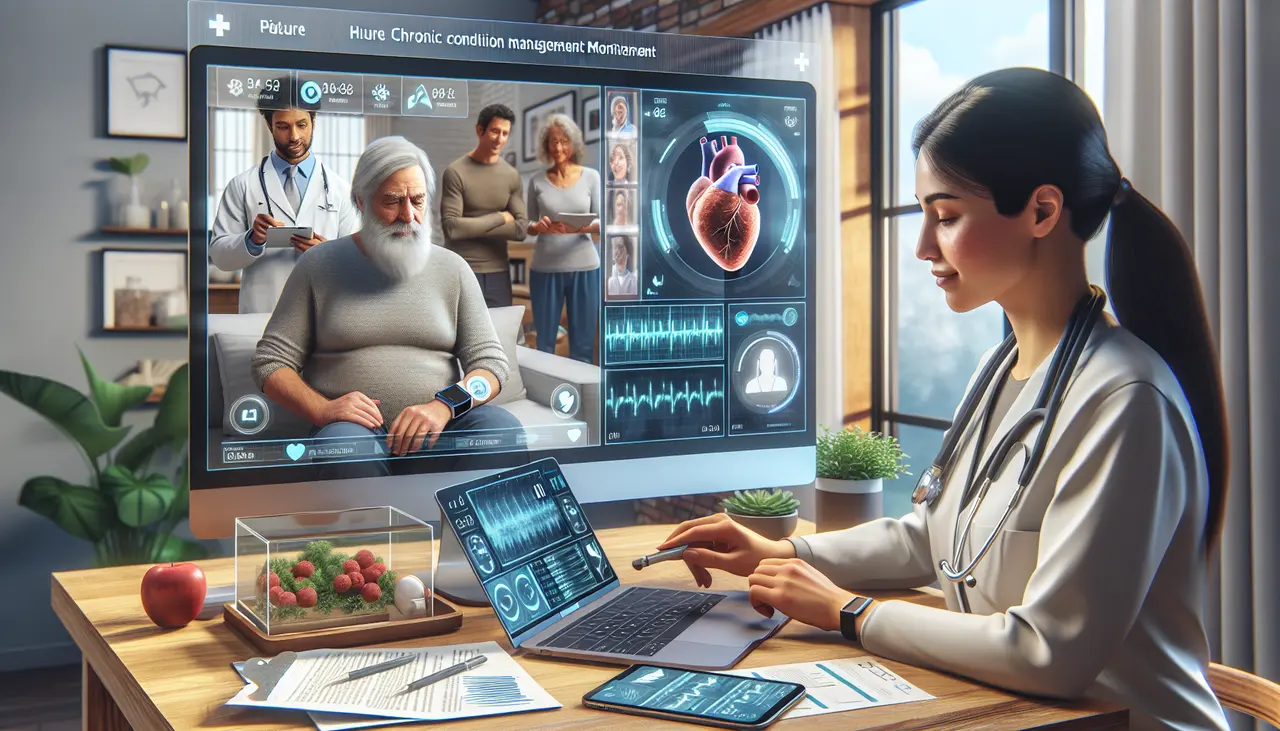
Technology is changing how we manage chronic conditions, making it easier and more effective. With smart gadgets and apps, patients can now track their health in real-time. This means doctors get up-to-the-minute data to make better decisions. Wearable devices, for instance, monitor heart rate and sugar levels, sending alerts if something's off. Telemedicine lets you chat with your doctor without leaving home, saving time and reducing visits to the hospital. Then there's AI, which can predict health issues before they become serious, allowing for preventive care. These tools not only make managing chronic conditions simpler but also give patients more control over their health. So, technology isn't just changing the game; it's making it easier for everyone involved.
The Integration of Digital Health Tools in Care Plan Management
Digital health tools are changing the game in managing chronic conditions. Think wearable devices that monitor your heart rate, apps that remind you to take your medication, or platforms that allow you to share real-time health data with your doctor. These tools make it easier for patients and healthcare providers to keep track of health data, spot trends, and adjust treatment plans quickly. The integration of digital health tools into care plan management means patients can expect more personalized and efficient care. For doctors, it means having access to detailed health data, which can be crucial in making informed decisions. The bottom line? Digital health tools are making it possible for people with chronic conditions to get better, more proactive care, right at their fingertips.
AI and Machine Learning: A New Frontier in Chronic Care
AI and machine learning are changing the game in managing chronic conditions. These technologies can sift through mountains of data in seconds, learning from patterns to predict health issues before they become serious. This means doctors can spot potential problems early, making treatment more effective and less costly. Imagine a system that learns from every patient's experience, getting smarter over time. It can tell if someone's at risk of a flare-up and suggest changes to their care plan, all tailored to their unique situation. This isn't just about handling symptoms better. It's about preventing complications, reducing hospital visits, and making the lives of those with chronic conditions easier. In short, AI and machine learning offer a proactive approach to chronic care, not just a reactive one.
The Patient-Centered Approach in Chronic Condition Management
In the world of managing chronic conditions, things are shifting towards what's best for the patient – putting their needs and preferences at the center. Imagine a healthcare world where your daily life, habits, and personal goals shape your treatment, not just the medical charts and numbers. That's the patient-centered approach. It's all about you – what you need, when you need it, and how you want to go about it.
Doctors and healthcare teams are now listening more, talking less, and asking, "What matters to you?" instead of just "What's the matter with you?" This means care plans that fit into your life, not the other way around. It's about setting goals that make sense for you, whether that's being able to walk your dog without getting out of breath or managing your blood sugar so you can enjoy an occasional sweet treat.
Technology plays a big role too. Apps and devices can now track your health data in real-time, giving you and your care team instant feedback on what's working and what's not. This isn't just about having high-tech gadgets; it's about using these tools to make your life easier and your health better.
In the end, the patient-centered approach in chronic condition management is a game changer. It's healthcare that sees you as a whole person, not just a patient. And that's a big step forward for everyone involved.
Challenges and Solutions in Implementing Innovative Care Plans
Innovative care plans aim to revolutionize how we manage chronic conditions, but it's not all smooth sailing. Some big challenges stand in the way. First, there's the cost. Groundbreaking tech and methods can be pricey, and not everyone can afford them. Then, there's the issue of getting everyone on board. Doctors, patients, and insurance companies all need to be in sync for these plans to work. Another hurdle is training. Medical professionals need to learn how to use new technologies and approaches effectively.
But here's the good news: solutions are emerging. For costs, some programs and insurance plans are starting to see the long-term value in investing in these innovations. They might be expensive upfront but can save money by preventing complications down the line. To tackle resistance, continuous education and demonstrations of these new methods' success are key. It's all about showing clear benefits. As for training, more and more resources are becoming available. Online courses, workshops, and even virtual reality tools are helping healthcare workers get up to speed.
In short, while the challenges are real, so are the solutions. With the right focus and resources, innovative care plans can and will improve the way we manage chronic conditions.
The Future Outlook: What's Next for Care Plan Management in Chronic Care
The future of managing chronic conditions is bright, with technology and personalized care leading the charge. Imagine a world where managing chronic diseases like diabetes, heart disease, and arthritis is not just about endless doctor visits and a pile of medications. The next wave in care plan management focuses on smart gadgets, apps, and tailored treatment plans that learn from your behavior and adjust to your needs. mobriseHealth is working on solutions that include wearable devices tracking your vitals in real-time and predicting health flare-ups before they happen. The goal is to make managing chronic conditions a seamless part of your daily life, not a constant struggle. Looking ahead, expect your healthcare experience to be more about prevention, early detection, and living your best life with your condition under control.