Remote patient monitoring - A guide for primary care providers
Introduction to Remote Patient Monitoring (RPM)
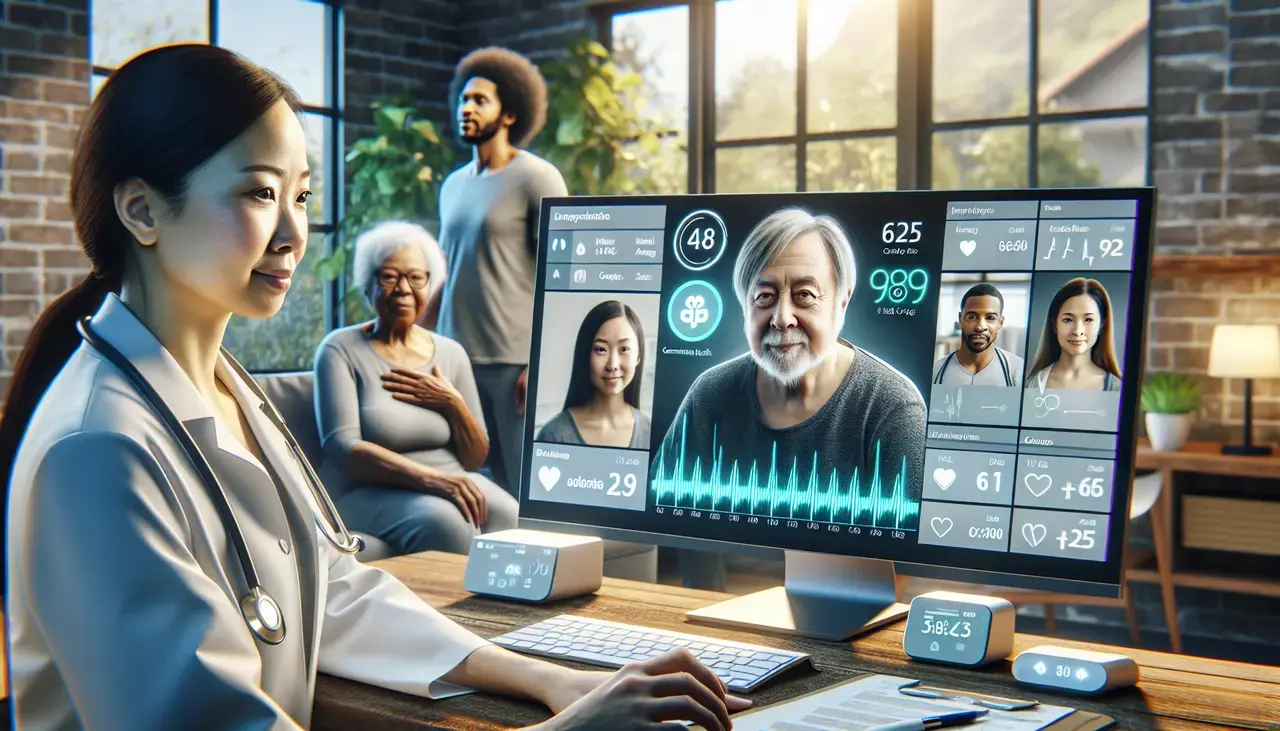
Remote Patient Monitoring, or RPM, changes how we look after patients from afar. Imagine this: a patient at home while their doctor monitors their well-being through tech. It's not a scene from the future; it's our reality now. RPM uses gadgets to keep tabs on vital health stats, like heart rate or glucose levels and sends the data straight to the doctor. It's a game-changer for folks with chronic illnesses, like diabetes or heart disease, making daily health management smoother. Plus, it cuts down on trips and wait times. Doctors can catch issues early, sometimes before patients notice anything's off. It's beneficial for both sides. RPM is transforming patient-doctor dynamics, pushing healthcare to be more about prevention than cure. And the exciting part? This is just the beginning.
Key Benefits of RPM for Patients and Providers
Remote Patient Monitoring (RPM) is more than just the latest buzzword. It’s changing the game in healthcare, making things better for both you and your patients. Here’s the lowdown. For patients, it's all about the easy life. They stay cozy at home, dodge the traffic mess, and wave goodbye to dreary waiting rooms. Health benefits? They're big: catching issues early and keeping an eye on things constantly. No need for conditions to hit the red zone before they're noticed, and the steady flow of info lets doctors tweak treatments on the fly. It’s pretty much like having a doctor’s watchful eye, minus the awkward hospital wear. For you, the provider, RPM is shorthand for working smarter, not harder. You get to keep tabs on more patients without overstuffing your calendar or bursting your office at the seams. It's not about reducing face time; it’s about using it better. RPM tech throws you insights long before the patient steps into your space, making for better consultations and health outcomes. It’s also your ticket to broadening your practice’s horizons and standing out by offering top-tier care. In essence, RPM equals healthier patients, sharper service, and a lead in the healthcare race.
How Remote Patient Monitoring Works
Remote patient monitoring (RPM) lets doctors keep an eye on their patients without needing them to come to the clinic. It uses digital technologies to collect health data from individuals in one location and securely send it to healthcare providers in a different location for assessment. Patients use devices like heart rate sensors, blood pressure cuffs, or glucose monitors at home. These devices send info like heart rate, blood pressure, or sugar levels directly to you or your clinical team through the Internet. Your doctor can catch any red flags early, give advice, or adjust the treatment plan remotely. This way, RPM offers a proactive approach to healthcare, ensuring small issues can be addressed before turning into bigger problems.
Implementing RPM in Your Practice: First Steps
Diving into the world of remote patient monitoring (RPM) can seem daunting at first. However, it's simpler than it looks. Begin by pinpointing the goals you aim to hit with RPM. Want to better manage chronic conditions, diversify the revenue stream, reduce hospital readmissions, or increase patient engagement? Once your aims are in focus, the hunt for the RPM partner begins. Choose a RPM program and devices offered by vendors like mobriseHealth that are easy for patients to use and integrate well with your current systems. Next up is training. It's crucial that both your team and your patients know how to effectively harness the power of RPM tools. Also, forging strong ties with patients is key. This means scheduling regular check-ins and adapting treatments as needed. Success in RPM boils down to consistent communication and vigilance. Stick to the basics, and the rewards will follow swiftly.
Understanding the Legal and Regulatory Landscape
For primary care providers, understanding the complex rules of remote patient monitoring (RPM) is key. It seems like a maze, but clarity is essential for effective use and legal compliance. RPM is shaped by federal and state laws. Federally, there's HIPAA, which protects patient data. The FDA also plays a role, in regulating RPM devices. State laws introduce more variability, touching on patient consent and provider licensing. To keep your practice on track and compliant, ensure your RPM aligns with these laws. As technology and laws rapidly change, staying informed is crucial.
Engaging Patients with RPM: Strategies for Success
Success in Remote Patient Monitoring (RPM) hinges on engaging patients effectively. Start by clearly explaining RPM - how it works and its perks, such as improved health and fewer hospital stays. This clarity boosts their willingness to join in. Make the tech familiar. For older patients, opt for simpler devices. Training is crucial. Hand out straightforward guides or offer brief training to demonstrate RPM device usage. This eases frustration and boosts their readiness to get involved. Keep their spirits high. Highlight their health progress. It spurs them on to stick with RPM. Customize their journey. Adjust the RPM plan to meet each patient's unique health needs, making it more directly beneficial for them. And, be their go-to for help. Allow them to raise questions or concerns about their RPM experience. This support strengthens trust and enhances their participation.
Addressing Common Challenges and Solutions in RPM
Remote patient monitoring (RPM) is a fantastic way to keep track of your patient's health, but it's not without its hiccups. One major challenge is getting patients comfortable with the technology. Some folks find it tricky to use RPM devices, especially if they're not tech-savvy. The solution? Offer simple, clear instructions and provide ongoing support. Make it as easy as possible for them to get on board.
Another headache is data overload. Doctors can find themselves swamped with information from RPM devices. It's crucial to have systems such as mobriseHealth in place that can sift through the data and highlight what's important. Using software that prioritizes critical alerts can keep doctors from missing vital health changes.
Privacy and security concerns also pop up. Patients want to know their health information is safe. Ensuring that RPM systems comply with health data regulations, like HIPAA in the United States, is key. Employ robust security measures and educate patients on how their data is protected.
RPM has its challenges, but with the right strategies, you can overcome them and deliver top-notch care to your patients.
The Future of RPM in Primary Care: Trends and Predictions
Remote Patient Monitoring (RPM) in primary care shines with promise. Experts see a steep climb in RPM tech use, pushed by the quest for smarter healthcare and improved patient results. Soon, RPM will be a norm in primary care, powered by pivotal trends.
Tech Evolution: Tech advances make RPM tools simpler and more precise. This is good news for both patients, who find them easier to use, and doctors, who rely on their data.
Chronic Condition Focus: With more people living longer, it's vital to keep tabs on issues like diabetes and heart disease. RPM lets doctors do that all the time, cutting down on hospital stays.
Support from Insurers: Seeing RPM's ability to save money, insurers, including Medicare, now often pay for it. This could make RPM a regular feature in primary care.
In a nutshell, the RPM program supported by platforms such as mobriseHealth is set to revolutionize primary care by making healthcare more proactive, personalized, and accessible, leading to better patient care and reduced healthcare costs.