Transforming Obesity Management with Remote Patient Monitoring: Strategies for Success
Introduction to Obesity and Its Impact on Health
Obesity is not just about weighing more than usual. It's a health condition that can lead to serious problems like heart disease, diabetes, and high blood pressure. When someone's body mass index (BMI) is 30 or higher, doctors call this obesity. It's not just about what one eats or how little they move. Things like family genes, not getting enough sleep, and feeling stressed can also make people more likely to be obese. But, the good news is, with the right help and changes in lifestyle, it's possible to manage obesity. Nowadays, technology like remote patient monitoring (RPM) is making it easier for doctors to help people from afar. RPM can watch over a patient's health data in real-time, making it quicker to spot problems or improvements. This way of managing health is becoming a game-changer for treating obesity, helping patients get the support they need anytime, anywhere.
Understanding Remote Patient Monitoring (RPM) in Healthcare
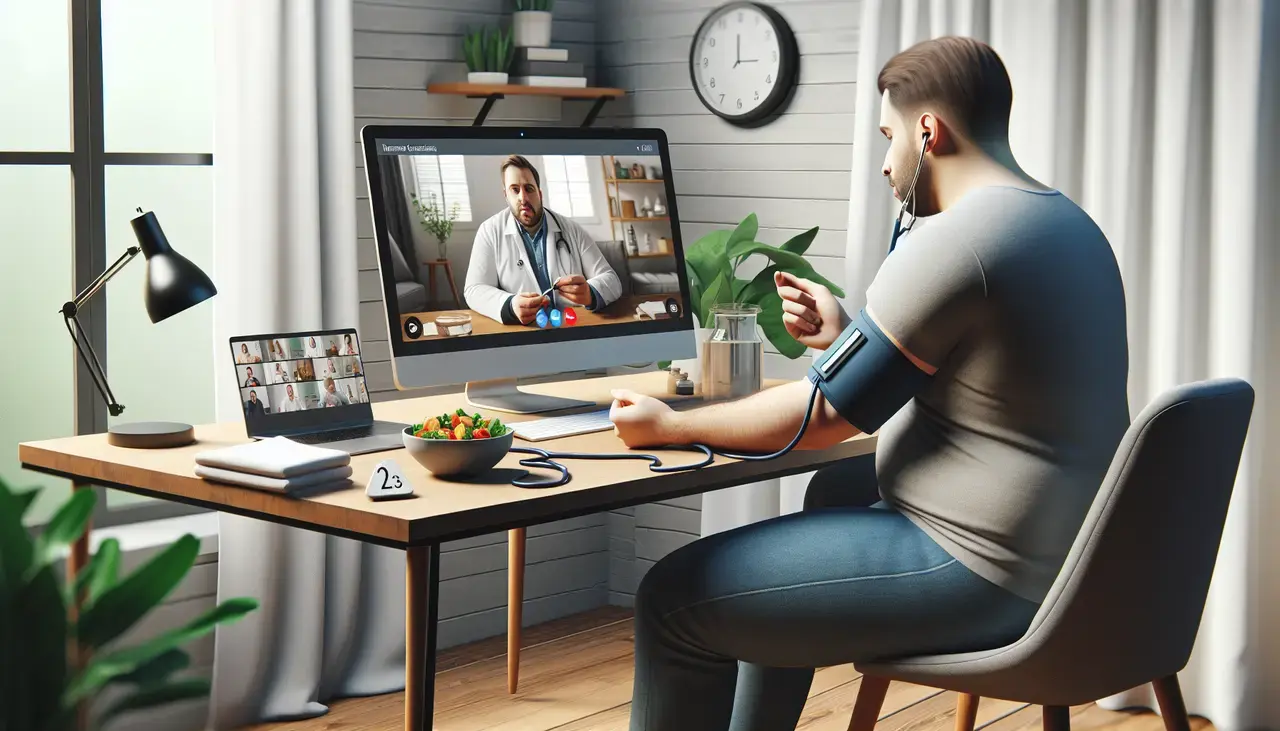
Remote Patient Monitoring (RPM) is a game-changer in healthcare, especially for managing conditions like obesity. Basically, it allows doctors to check on you without you having to step foot in their office. Through devices like smart scales, wearable fitness trackers, and blood pressure cuffs that send your health data directly to your healthcare provider, RPM makes it easier to keep an eye on your condition. This is huge for someone dealing with obesity. It means your doctor can give you real-time advice and tweak your treatment plan as needed, all based on the latest data from your RPM devices. So, you're not just getting a one-size-fits-all approach but a personalized care plan that evolves with your health. RPM is all about using technology to make healthcare more proactive, less reactive, and it's making a real difference in the fight against obesity.
The Role of RPM in Managing Obesity
RPM is revolutionizing obesity care by enabling doctors to monitor their patients remotely. Essentially, RPM leverages tech to seamlessly transmit health data from patients to healthcare providers across distances for analysis and advice. For those battling obesity, it covers tracking key health metrics like vital signs, activity levels, sleep routines, and dietary patterns. It's akin to a non-stop health mentor, offering doctors a live feed into your wellness. Such access enables the crafting of bespoke care strategies that neatly dovetail with individual lifestyles, with the flexibility for swift tweaks. Thus, RPM transcends being mere high-end technology; it's a strategic step towards a healthier you, ensuring personalized and precise care.
Key Strategies for Implementing RPM in Obesity Management
When rolling out Remote Patient Monitoring (RPM) for obesity management, think straightforward but effective. Here's how to nail it. First, understand your patients. What are their challenges? Likes? Daily routines? Use this insight to pick tech they'll actually use. Second, education is key. Teach patients how to use RPM tools properly. Simple videos or quick guides work wonders. Third, start with clear goals. Maybe it's reducing weight by a certain amount or improving eating habits. Goals keep everyone on track. Fourth, communication is a cornerstone. Regular check-ins via messages or calls can motivate and adjust plans as needed. Last, analyze the data. RPM devices spit out lots of info. Use it to spot trends, celebrate wins, or pivot strategies. By keeping it patient-focused, practical, and iterative, incorporating RPM into obesity management can really change the game.
Engaging Patients: The Heart of RPM Success
To make remote patient monitoring (RPM) a real game-changer in battling obesity, engaging patients is crucial. It's not as simple as tossing gadgets their way and crossing our fingers. The goal is to fully involve patients in their care journey. Here's the breakdown: start with making the tech hassle-free. If it's complicated, it's a no-go—people will drop off. Next, always keep the chat open. Regular catch-ups ensure patients feel backed and on track. And don't forget to celebrate every victory, big or small. Shed a pound? Time for a celebration. Added a minute to the walk? That deserves a high five. It's all about blending ease, ongoing support, and positivity to keep patients hooked and transform RPM into an obesity-fighting powerhouse.
Monitoring Progress: Metrics and Tools for Obesity Management
To manage obesity effectively, tracking progress is crucial. Simple tools like a digital scale and measuring tape can give a clear picture of weight and changes in body dimensions over time. Yet, it's not all about the pounds. Body mass index (BMI) is a key metric, though it has its limits since it doesn't distinguish between muscle and fat mass. For a more nuanced view, consider incorporating tools that measure body fat percentage. Technologies like smart scales offer this feature, presenting a comprehensive look at body composition changes that traditional scales can't.
Remote patient monitoring (RPM) systems are transforming how we approach obesity management. They collect data from these tools and more, allowing healthcare providers to monitor progress in real-time and tailor advice and interventions more effectively. RPM can alert professionals to setbacks or plateaus in a patient's journey, enabling timely adjustments to diet plans or exercise routines.
Addressing Challenges in Remote Obesity Management
Tackling obesity from afar isn't without its obstacles, yet that shouldn't deter you. The key hurdle? Keeping folks driven. Away from a clinical environment, it's all too common for motivation to wane. Tech can both aid and hinder. Not everyone is skilled with technology or equipped with the necessary devices and stable internet. This scenario complicates tracking their journey. Then there's the issue of privacy concerns. Sharing health information online can make patients apprehensive. However, view these challenges not as barriers but merely as minor setbacks. Adopting methods such as setting individual goals, conducting routine virtual meetings, and utilizing secure, easy-to-navigate platforms like mobriseHealth can help navigate these difficulties. Don't let the potential stumbling blocks discourage you. Approached correctly, managing obesity from a distance can truly transform lives.
The Future of Obesity Management with RPM: Trends and Innovations
The world of healthcare is rapidly advancing, and Remote Patient Monitoring (RPM) is at the forefront of transforming how we manage conditions like obesity. RPM uses technology to track patients' health data remotely, and this is a game-changer for obesity management. Here's what's on the horizon:
First off, wearable devices are getting smarter. They're not just counting steps or monitoring heart rates anymore. Expect to see devices that can track dietary intake, monitor stress levels, and even predict cravings, offering real-time interventions to help manage eating habits.
Telehealth is another area to watch. It's breaking down barriers to access. Regular virtual check-ins with healthcare providers mean that help and advice are just a video call away, making it easier to stay on track with weight management plans.
In short, the future of obesity management with Remote Patient Monitoring (RPM) revolves around personalization, accessibility, and integration. These advancements are making obesity management more proactive rather than reactive, transitioning from treating obesity to preventing it. mobriseHealth is empowering this shift with its holistic approach to obesity management signifying a promising future for individuals combating obesity.