
Personalized Care in the Digital Age: Tailoring Treatment with RPM & CCM
Your patient wakes up with a slightly elevated heart rate, but instead of rushing him to the clinic or brushing it off, you already know. His wearable device has sent real-time data through Remote Patient Monitoring (RPM), and you are making adjustments—all before his morning coffee kicks in. This my friend is where healthcare meets convenience, precision, and personalization.
In this digital age, cookie-cutter care just doesn’t cut it. Chronic Care Management (CCM) and RPM are reshaping the healthcare experience, creating smarter, more responsive treatment plans tailored to each unique patient.
Wondering how it all works—and why it might just be the future of medicine? Keep reading to find out how these innovations are revolutionizing care, one personalized data point at a time.
Related: How Digital Patient Adherence Tools Are Revolutionizing Remote Care
What is Personalized Care and Why It Matters Today
Personalized care considers lifestyle, medical history, even sleep habits and DNA, to create treatment plans as unique as each individual patient. It’s like the difference between a one-size-fits-all T-shirt and a tailored suit—it just fits better.
For example, let’s take a busy mom whose high blood pressure didn’t improve with standard meds. Once her doctor personalized her care—adding sleep tracking, diet changes, and stress management—her readings dramatically improved. That’s the magic of care that actually cares.
Tired of providing one-size-fits-all care? Let’s fix that. Schedule a demo with mobriseHealth and see how personalized digital care should really be.
Key Benefits of a Personalized Approach to Healthcare
Better Engagement
People stick to plans that make sense for them. Personalized care empowers patients to take ownership of their health.
Better Outcomes
Tailored treatments address the root causes. Instead of just prescribing meds, doctors might suggest a culturally relevant diet or tech tools based on patient data.
Lower Costs
Fewer unnecessary visits, fewer ineffective treatments. In fact, personalized care has been shown to reduce hospital readmissions by up to 20%.
Related: Patient Compliance
What is RPM and How Does It Work?
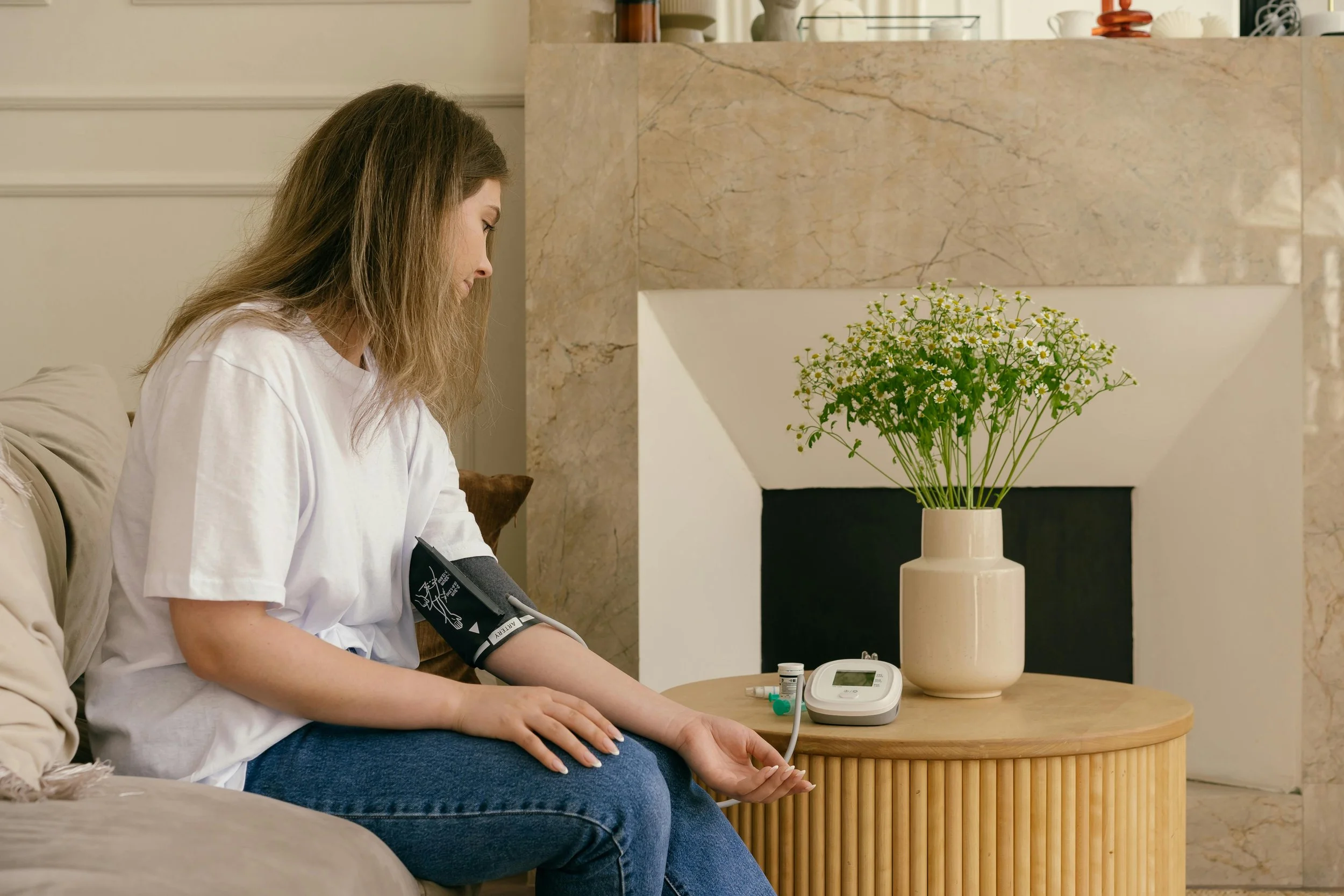
A RPM (Remote Patient Monitor) is like having a healthcare assistant that keeps an eye on your patient’s vital signs 24/7, without intruding on their daily life. By utilizing devices like blood pressure monitors, glucose meters, and smartwatches, patients can collect health data at home. This information is then securely transmitted to healthcare providers who monitor it in real-time, allowing for timely interventions when necessary.
Real-Life Use Cases and Success Stories with RPM
RPM isn't just a theoretical concept; it's delivering tangible benefits:
Heart Failure Management: Penn Care at Home implemented an RPM program for 818 heart failure patients, resulting in a 73% reduction in all-cause 30-day hospital readmissions.
COVID-19 Recovery: The Mayo Clinic's RPM program for over 7,000 COVID-19 patients across 41 states led to high patient engagement and low hospitalization rates, demonstrating the effectiveness of remote monitoring during the pandemic.
Hypertension Control: In Scotland, providing patients with home blood pressure monitors freed up approximately 400,000 GP appointments, saving the NHS millions and improving patient autonomy.
Who Qualifies for CCM?
To be eligible for CCM, patients must have at least two chronic conditions expected to last a year or more, or until the end of life, posing significant risks such as hospitalization or functional decline. Common qualifying conditions include diabetes, hypertension, heart disease, and asthma.
The Impact of CCM on Long-Term Patient Outcomes
CCM keeps your patient on track, and ensure that they don’t wait until things get bad to take action. For patients juggling multiple chronic conditions, it means fewer frantic ER trips and more steady, personalized support. They’re not just another chart—they now have a plan and a care team that actually remembers their name.
And for you as the healthcare provider? CCM brings everyone to the same table, from nurses to specialists, making care more coordinated and proactive. This helps boosts patient satisfaction and adds an extra stream of revenue. Smarter care, happier patients, healthier practices. That’s a triple win.
Ready to reduce readmissions, boost engagement, and streamline your care coordination? Book your mobriseHealth demo now and let’s make it happen.
mobriseHealth’s Innovative Tools and Patient-Centered Solutions

Let’s say your patient has diabetes and high blood pressure, then they get a gentle ping on their phone. It's not a social media alert—it's mobriseHealth reminding them to take their medication, squeeze in a 10-minute walk, and track their glucose.
The app isn’t throwing out generic advice—it knows your patient. It knows their preference for brisk evening strolls over gym sessions and that they’re working with a low-sodium diet because it’s built into their custom care plan.
Through AI-driven communication, tailored content, and easy-to-follow care plans, mobriseHealth helps patients actually stick to their treatment—whether it’s meds, meals, or movement. It’s all designed to boost engagement and lead to real, measurable health improvements.
Related: AI in Healthcare: The Future of Healthcare
How mobriseHealth Integrates RPM and CCM for Better Results
mobriseHealth brings together two powerful tools: Remote Patient Monitoring (RPM) and Chronic Care Management (CCM).
Instead of guessing if your patient’s symptoms are getting worse, it tracks their vitals in real-time. When oxygen levels dip, you get notified instantly, so adjustments are made before it turns into a hospital visit. Meanwhile, CCM ensures they get follow-up calls, personalized education, and coordinated care from you.
The result? Fewer ER visits, better quality of life, and a sense of control that most chronic patients rarely feel. This app is transforming healthcare from “wait and see” to “we’ve got you covered.”
With tools like RPM and CCM, and innovators like Mobrise Health leading the charge, personalized care is no longer a luxury—it’s becoming the norm.
Book a demo today and experience how digital care can finally feel personal.